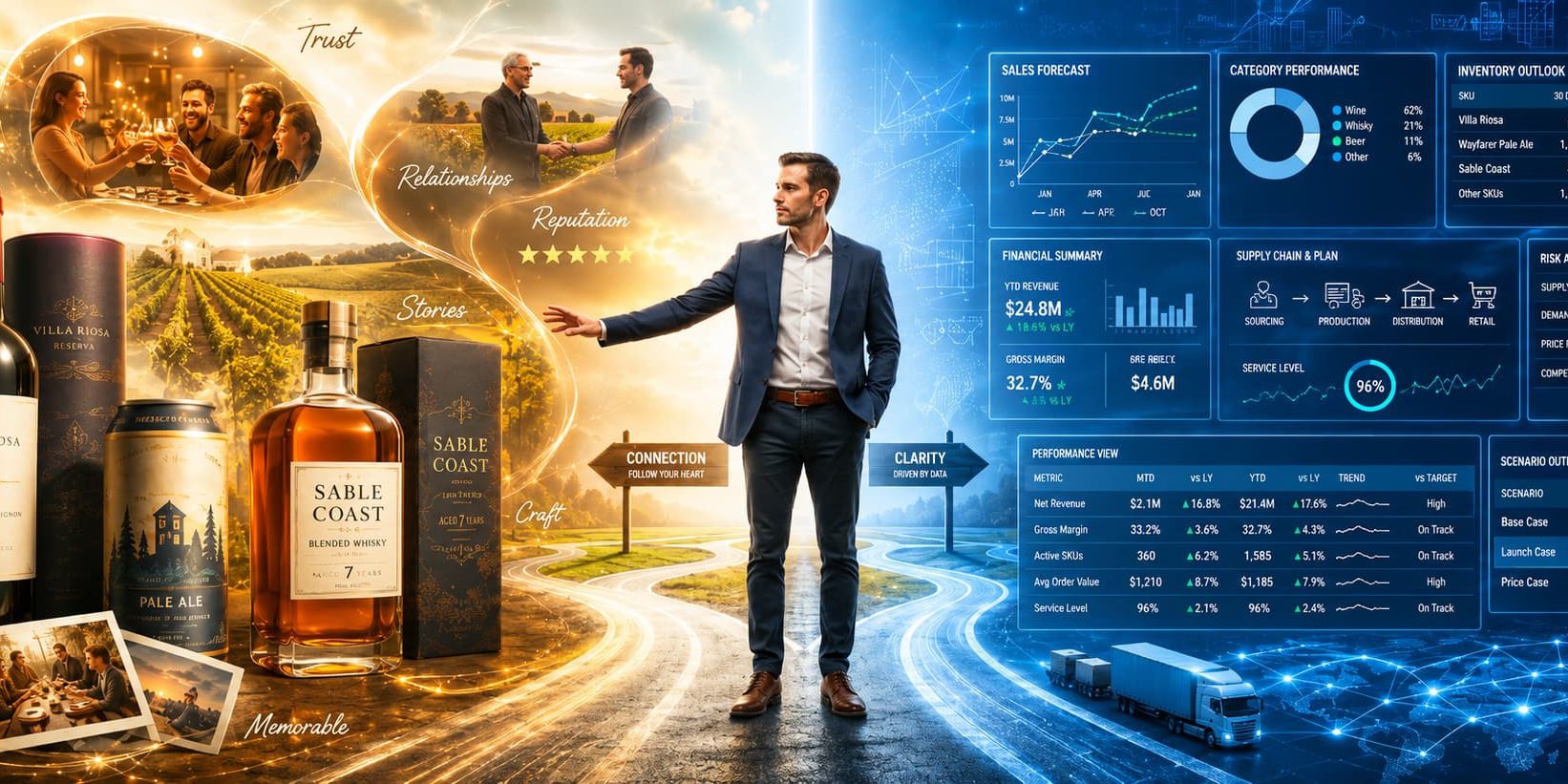
For a long time, sales and economics were often talked about as though buyers made decisions rationally. Given enough information, the assumption was that people would compare options logically and choose the one that delivered the best outcome.
In reality, buying decisions are rarely that simple.
Modern sales psychology and behavioural marketing both recognise that buyers are influenced by a wide range of factors before the logical evaluation is complete. Confidence, perceived risk, familiarity, urgency, trust, emotion, and presentation can all shape the way a buyer views a product or supplier.
The work of Daniel Kahneman and Amos Tversky is one well-known example of research that supports this. Their work challenged the idea that people make decisions through logic alone, showing that people often rely on instinctive judgement, emotional reactions, mental shortcuts, and perceived risk — especially when uncertainty or pressure is involved.
This way of thinking has shaped areas such as sales psychology, behavioural marketing, pricing strategy, risk management, and product positioning. Instead of only asking, “What should people choose logically?”, businesses also need to ask, “How do people actually make decisions in the real world?”
In the alcohol industry, this influence appears constantly across both consumer and wholesale markets.
How this appears in direct-to-consumer sales
In consumer markets, these behavioural patterns are often driven through branding and marketing.
A customer buying a premium bottle of wine, spirits, or beer is not evaluating the liquid alone. Packaging, reputation, story, presentation, and pricing all shape perception before the product is even tasted.
This is why premium labels, limited releases, brand storytelling, and presentation matter so heavily in D2C sales. They influence perceived value, confidence, exclusivity, and emotional connection.
A customer may associate a heavier bottle, minimalist label, limited release, or higher price point with quality before they have tried the product. Familiar branding can also reduce hesitation, while strong storytelling can make the purchase feel more personal and memorable.
Why this matters differently in wholesale sales
Wholesale buying decisions operate very differently.
Here, the emotional influence is often less about branding and more about perceived operational risk.
A wholesale buyer is rarely evaluating whether a product is simply “better.” They are evaluating what impact that decision could have across their business.
Questions often sit beneath the surface:
- Can this supplier be relied on under pressure?
- Does this fit existing systems and processes?
- Will this create operational or supply issues later?
- Is the potential gain worth the perceived risk?
This is why wholesale sales are often heavily influenced by the salesperson, not just the product itself.
Buyers need confidence in the person they are dealing with, the company behind the product, and the product itself. If one of those feels uncertain, the buying decision becomes harder — especially in wholesale environments where the consequences of a poor decision can affect stock availability, operations, customer relationships, and future planning.
This is where the salesperson plays an important role. The ability to build trust, communicate clearly, reduce uncertainty, ask the right operational questions, and create confidence can heavily shape the direction of a decision before detailed analysis even begins.
Only after that confidence is established does the logical evaluation fully take over — pricing reviews, margin analysis, operational fit, forecasting, and implementation planning.
The strongest wholesale relationships are rarely built on product quality alone. They are built on trust, reduced friction, reliability, and a partnership the buyer believes will work inside their business.